"Engineering" covers a set of quite different careers, and students often pick a discipline by its name rather than a clear sense of the work. Civil and mechatronic engineers spend their days on very different problems, in different industries, with different day-one job markets in Kenya.
There is also a registration path that matters: an accredited degree recognised by the Engineering Board of Kenya (EBK), then supervised experience as a graduate engineer, then professional registration. Choosing a programme EBK recognises is not optional if you intend to practise as a professional engineer.
What the main disciplines actually do
Civil engineering covers structures, roads and transport, water and sanitation, geotechnical work and construction — the largest employer of engineers in Kenya by volume, tied to infrastructure and building. Mechanical engineering spans manufacturing, plant and machinery, energy, HVAC, automotive and maintenance. Electrical and electronic engineering runs from power generation, transmission and distribution to electronics, instrumentation and control.
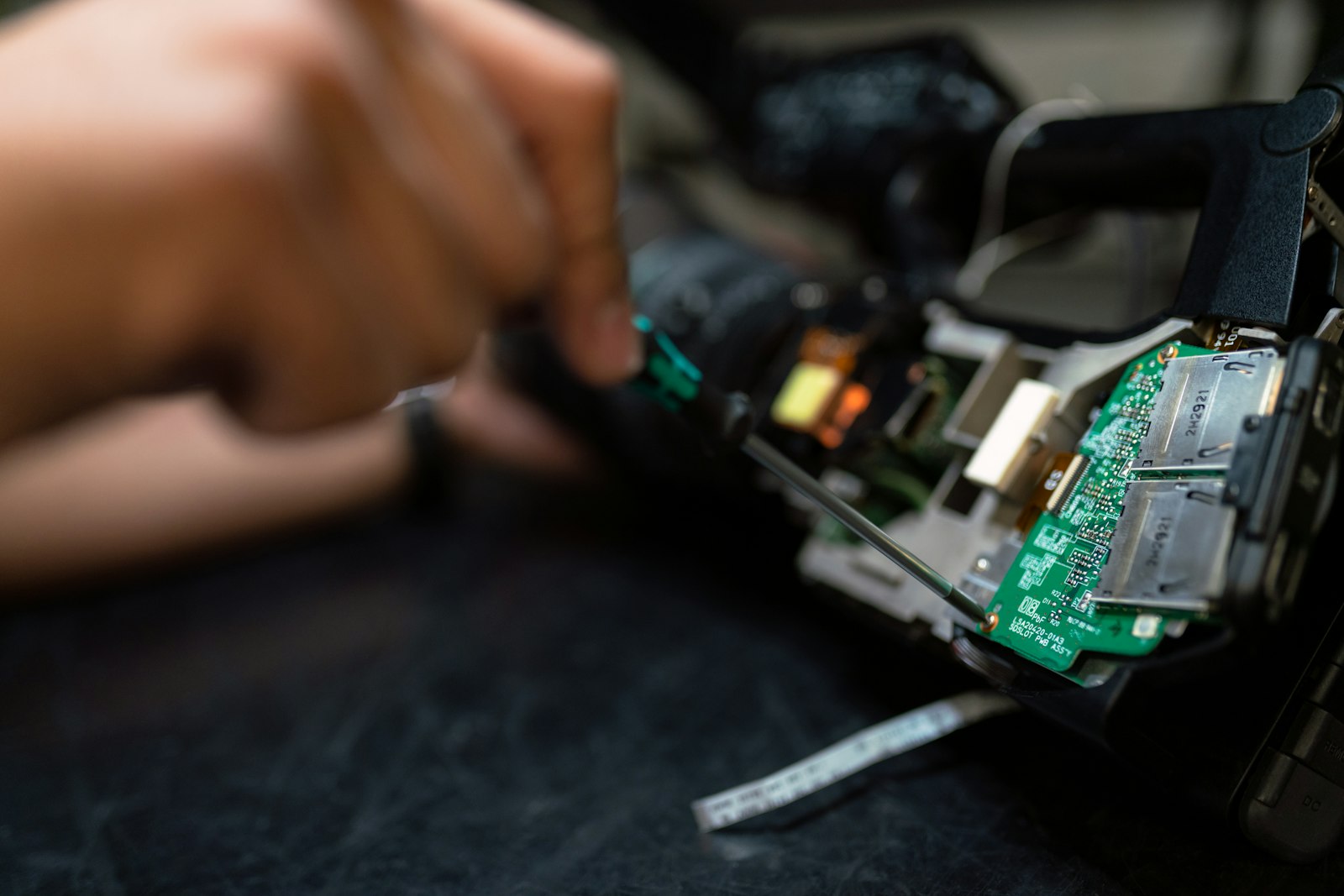
Mechatronic engineering combines mechanical, electronics and software for automation, robotics and instrumented systems. Chemical and process engineering serves manufacturing, food and beverage, pharmaceuticals and energy. Agricultural and biosystems engineering covers irrigation, mechanisation, post-harvest systems and land and water management. Smaller streams — mining, marine, aerospace, telecommunications, biomedical — exist at particular universities and serve narrower industries.
Engineering, technology, or science — know which one you're choosing
There is a real distinction between an engineering degree accredited by EBK, an engineering technology degree, and a physical-science degree such as physics. All three are legitimate, but only the EBK-accredited engineering degree puts you on the path to registration as a professional engineer. Engineering technologists and technicians have their own EBK registration categories and their own scope. If your goal is "Professional Engineer", confirm the programme's EBK accreditation before you accept the place.
From graduate to professional engineer
After an accredited degree you register with EBK as a graduate engineer. You then need a minimum period of structured, supervised experience — on the order of three years — under a registered professional engineer, logged and assessed, followed by a professional interview. Passing it, you register as a Professional Engineer, which is what allows you to take legal responsibility for engineering work and, with further experience, to practise as a Consulting Engineer. The Institution of Engineers of Kenya (IEK) is the professional body most engineers also join.
"Pick the discipline for the work you want to do daily — steel and soil, machines, power, circuits-and-code, process plants — not for which name sounds most modern."
Where first jobs are in Kenya
Civil and structural graduates go into contractors, consulting firms, and public bodies handling roads, water, housing and energy infrastructure. Electrical graduates go into the power utility and its successors, renewable-energy developers, and building-services consultancies. Mechanical and mechatronic graduates go into manufacturing, bottling and food processing, cement, agricultural-equipment firms, and maintenance-heavy industries. Process engineers go into the larger manufacturers. Across all of them, the graduate-engineer years are typically spent on site or in a plant, and mobility outside the big cities is often part of the early career.
The diploma and technician route
A Diploma in Engineering (civil, electrical, mechanical and others) through a TVET college leads to EBK registration as an engineering technician, and with a further degree or higher diploma, as a technologist. This route reaches paid technical work faster and can be upgraded toward the professional-engineer path later through an accredited degree and credit transfer.
Choosing electives and attachments
Within a discipline, the specialism you build matters as much as the degree title. Use third- and fourth-year electives, your final project, and every industrial attachment to move toward the sub-field you want — water versus structures within civil, power versus control within electrical, automation versus design within mechanical. Graduates who arrive with a focused portfolio and real site or plant time are hired ahead of those with only coursework.
EBK accreditation lists and registration requirements are updated periodically. Confirm a programme's current status on the EBK register before enrolling, and check the experience requirements for professional registration early so you can plan your graduate years around them.